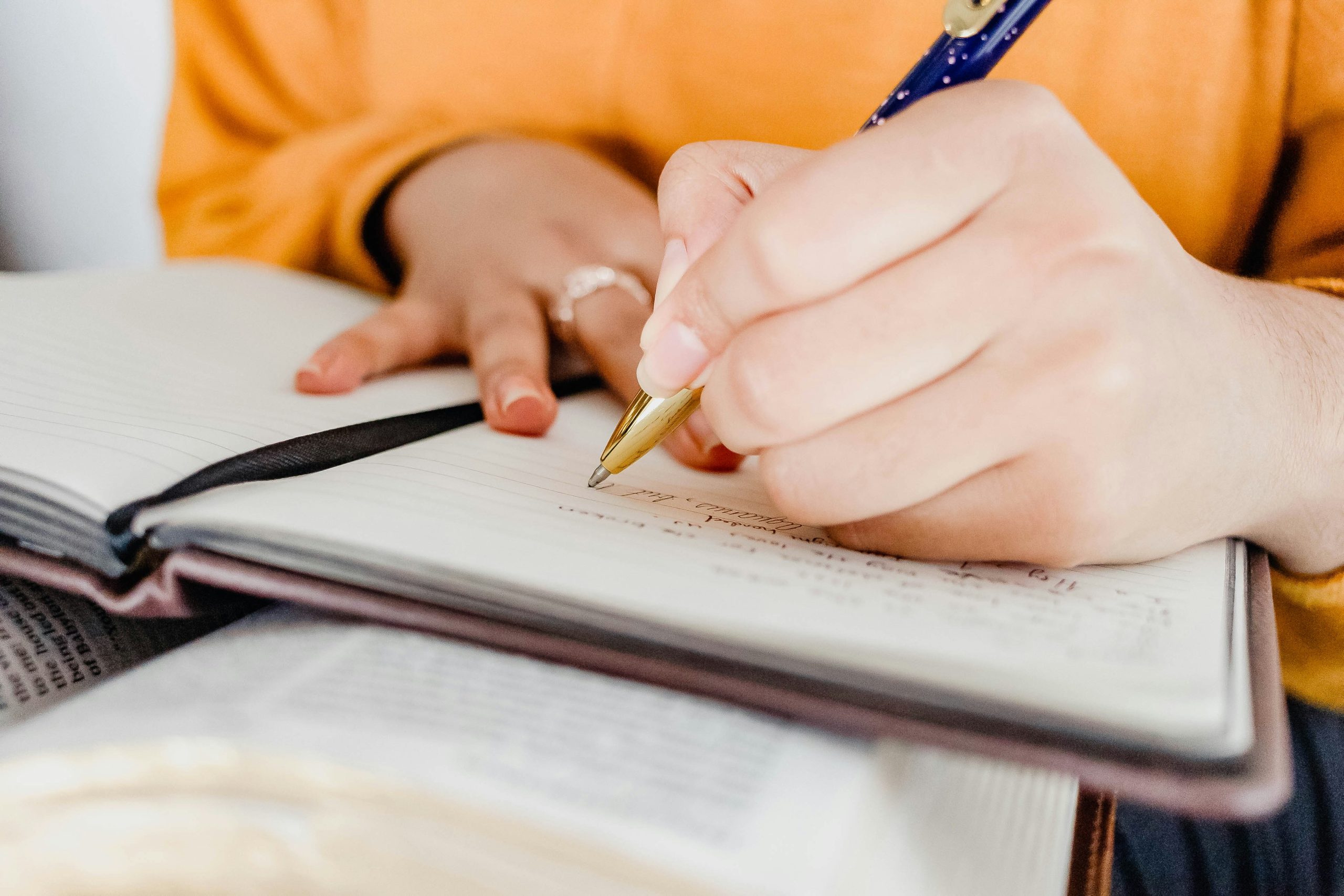
There’s something oddly comforting about writing things down.
Not typing them into a notes app. Not setting another reminder that gets buried beneath twenty others. Actually writing them. Pen on paper. A shopping list. A birthday you mustn’t forget. The prescription you need to collect. An appointment next Thursday at 2.15. “Post parcel”. “Reply to Sarah”. “Buy lightbulbs”.
Tiny things, really.
And yet somehow those tiny things can become incredibly loud inside our heads.
I think many of us carry around a constant background hum of remembering. Not dramatic, life-changing worries necessarily, but the everyday mental admin that quietly follows us from room to room. We boil the kettle and suddenly remember we need to book a dentist appointment. We’re trying to watch television and think about the washing tablets running low. We wake at 3am because we forgot to send an email.
Modern life asks us to hold an astonishing amount of information in our brains at all times. Passwords. Dates. Shopping lists. School forms. Medication reminders. Birthdays. Plans. Deadlines. Things we must do, should do, meant to do three weeks ago.
No wonder we feel mentally cluttered sometimes.
And this is where writing things down quietly works its magic.
There’s a real sense of relief in taking a thought from your mind and placing it somewhere safe. Almost like telling your brain, “You don’t have to keep carrying this now. We’ve stored it elsewhere.”
I’ve noticed that when I write things down properly, I stop mentally rehearsing them. I no longer repeat “must remember to buy stamps” fifty times while unloading the dishwasher because the notebook has taken over the job of remembering for me.
Paper feels oddly trustworthy in a way digital reminders sometimes don’t. Maybe because we physically create the note ourselves. Maybe because opening a notebook feels intentional rather than reactive. Phones can become noisy places full of notifications, adverts, messages and distractions. A notebook simply waits patiently where you left it.
There’s no pinging. No scrolling. No accidental forty-minute detour onto social media because you opened your phone to check your calendar.
Just paper. Quietness. Space to think.
And then there’s the satisfaction of crossing things off.
I know it sounds ridiculous that a tiny line through “buy bin bags” can feel genuinely rewarding, but it does. There’s something deeply reassuring about visible progress. Proof that things are getting done. That life is moving forward, even in small ordinary ways.
Psychologists often talk about the dopamine hit we get from completing tasks, and I completely understand it. Crossing something off a list gives a little spark of achievement. Not because the task itself was monumental, but because completion matters. In a world where so much feels unfinished, ongoing or uncertain, a crossed-off task says: this one is done.
Sometimes that matters more than we realise.
I also think writing slows us down in a helpful way.
Typing is fast. Our thoughts race to keep up. But handwriting has a gentler pace to it. You can’t really scribble furiously through life at eighty words a minute. Writing asks you to pause long enough to notice what you’re actually thinking.
Often when I sit down to make a simple to-do list, other thoughts appear too. Things I’ve been avoiding. Things making me anxious. Things I need to prioritise better. Somehow the act of writing creates space for honesty.
Not dramatic journal-entry honesty necessarily. Just small moments of clarity.
Maybe that’s why people have kept notebooks for centuries. Not because they were aesthetically pleasing, although many are beautiful, but because they help organise both practical life and emotional life together. The pages end up holding shopping lists beside important thoughts, reminders beside memories.
Real life, essentially.
I’ve started to think of notebooks less as productivity tools and more as companions to everyday living. Somewhere to empty your pockets mentally. Somewhere to place the loose ends that otherwise rattle around your brain all day.
And yes, it probably helps when the notebook itself feels lovely to use.
There’s a different feeling when something is beautifully made. A leather-bound notebook with thick pages and that unmistakable smell of paper somehow invites you to slow down and take care with your thoughts. It turns ordinary planning into a small ritual rather than a chore.
Not in an expensive, precious way where you’re afraid to spoil it. More in the sense that it feels respectful somehow. As though your thoughts, plans and daily life deserve a proper home rather than scraps of paper shoved into pockets.
I think we underestimate how much small rituals can support our wellbeing.
Making tea in a favourite mug. Lighting a candle at the end of the day. Writing tomorrow’s to-do list before bed. Tiny acts that tell our nervous system everything is held together a little more gently than it first appears.
Of course, a notebook won’t cure anxiety or remove life’s bigger difficulties. Some days the lists themselves become overwhelming. Some weeks feel impossible however organised we try to be.
But there is still comfort in reducing the noise where we can.
In taking the spinning thoughts from our heads and laying them down neatly in ink.
In seeing what needs doing rather than trying to juggle it all mentally.
In crossing one thing off and then another.
In realising perhaps we don’t have to carry everything all at once.
Sometimes mental wellbeing isn’t found in grand solutions. Sometimes it’s simply found in quieter minds, clearer thoughts, and a notebook open on the kitchen table waiting patiently for us to begin again tomorrow.