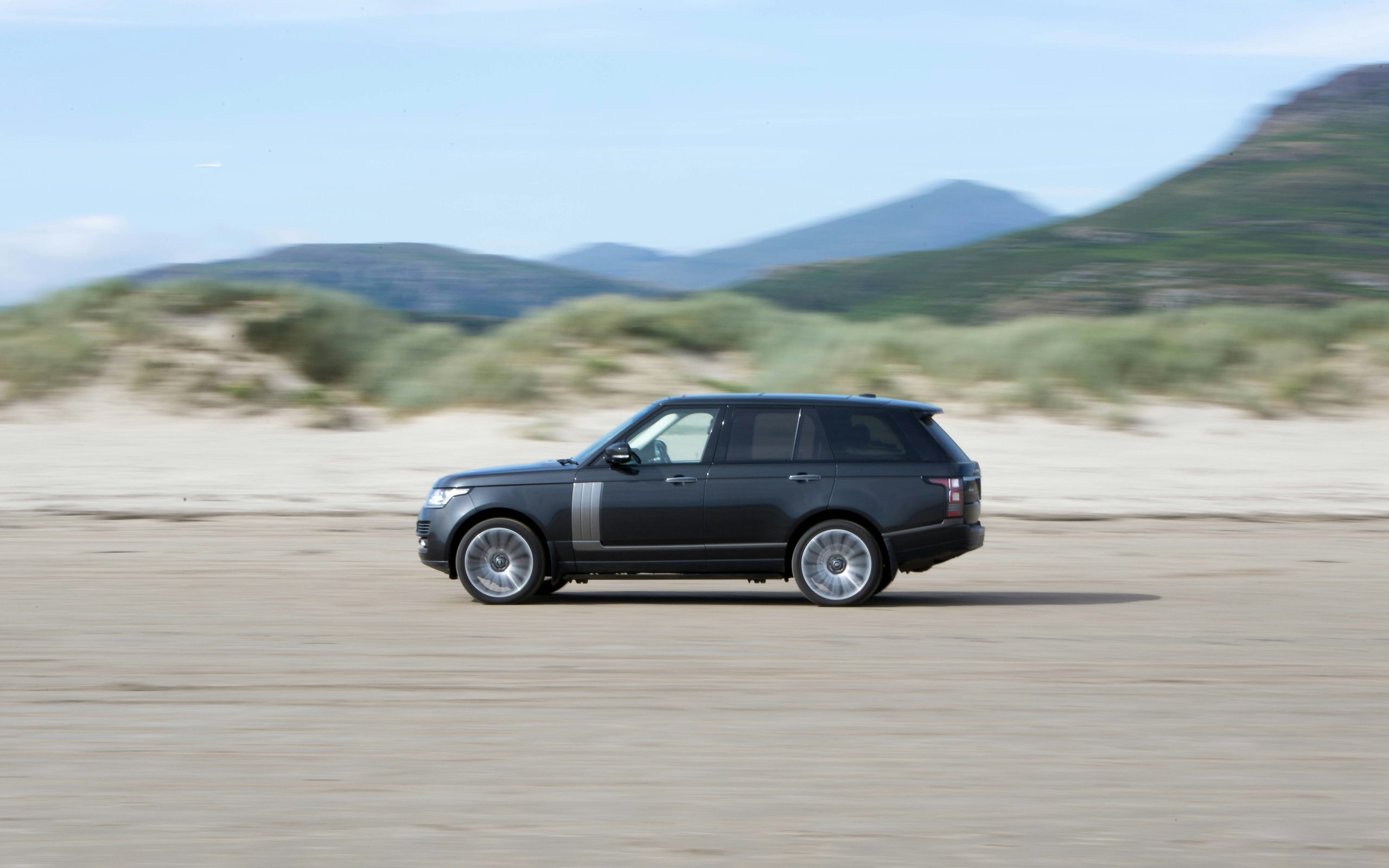
Anyone who has owned a Range Rover for a few years will probably recognise the moment. The car has just been cleaned, it is parked on the drive looking its best, and then the eye drops down to the wheels. A long silver scrape on the front passenger side. Another one at the back. Possibly a small chip that wasn’t there last month.
Big wheels look great on a big car. They also pick up damage very quickly when the car spends half its life on school runs, in supermarket car parks and on roads that haven’t seen a council repair crew since spring.
Why Range Rover alloys get damaged so easily
Most models come out of the factory on large rims. An Evoque will usually be somewhere between 18 and 21 inches, and the Sport, Velar and the full-size car often run 21 or 22-inch wheels, with some versions going to 23. The tyres on those wheels are low-profile, so there might only be a few centimetres of rubber between the rim and the kerb.
That doesn’t leave much room for error. Pull into a tight bay outside a primary school at quarter to nine, with a queue behind and a child asking where their PE bag is, and it’s easy to misjudge the kerb by an inch. Do that a few times a week for two years and all four wheels can end up looking worn.
Potholes are the other problem. A deeper tyre absorbs a lot of the impact. A thin one passes more of it straight to the rim, which is why buckled and cracked wheels are more common on cars like these.
Is a refurb enough?
Sometimes, yes. For surface scuffs and tired paint, a refurbishment is often the cheapest fix. The wheel is stripped back, repaired, then painted or powder coated again.
But a refurb can only do so much. If a wheel is bent, cracked, or has already been through two or three repairs, replacing it is usually the safer option. Some owners also just fancy a change, maybe from bright silver to gloss black or a darker grey that hides brake dust between washes.
For those looking at new wheels, specialists such as Elite Wheels stock genuine Range Rover alloys for the Evoque, Velar, Sport and Vogue, in a range of sizes and finishes.
Genuine wheels or aftermarket?
Genuine Land Rover wheels are made for the car, so the fit is right from the start. The offset, centre bore and load rating all match what the vehicle was designed for. They also keep the car looking original, which some buyers care about when it’s time to sell.
Aftermarket wheels can work well, but they need more checking. Load rating is the big one on a car this heavy. A Range Rover Sport packed for a fortnight in Cornwall, with five people, a roof box and the dog, is carrying a lot of weight on each wheel. Getting that wrong isn’t worth the saving.
Does it have to be 22 inches?
Not necessarily. Plenty of families go down an inch or two when replacing, for example from 22 to 20, and fit a slightly taller tyre. The car still looks smart, the ride is noticeably softer over speed bumps, and there’s less chance of kerbing the new set within a month. It is worth checking which sizes are approved for the exact model first, as this can vary between versions.
Ordering the wheels with tyres already fitted also saves a step. They turn up balanced and ready, so there’s no need to book a separate trip to a tyre fitter.
After the new wheels go on
Tell the insurer. Most treat a change of wheels as a modification, and while the premium often stays the same, it’s better to have it on record.
Get the wheel nuts checked after roughly 50 miles. And through the winter, try to rinse the salt off every week or so, because it eats into the finish faster than most people expect. A pH-neutral cleaner and a soft brush will do the job. Washing-up liquid tends to strip the protective coat over time.
None of it is complicated. It just helps the new wheels look as good in two years’ time as they do on the day they go on.