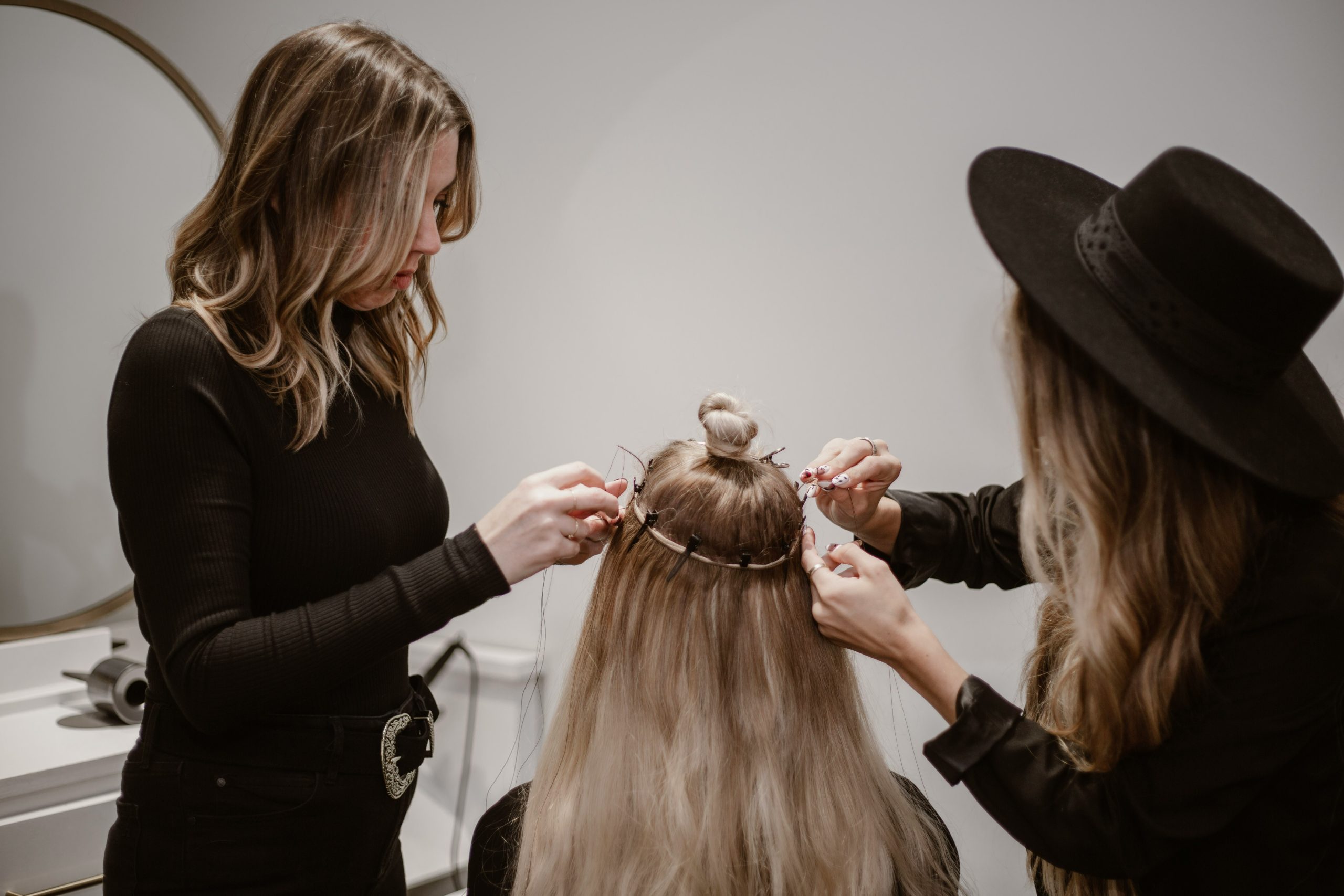
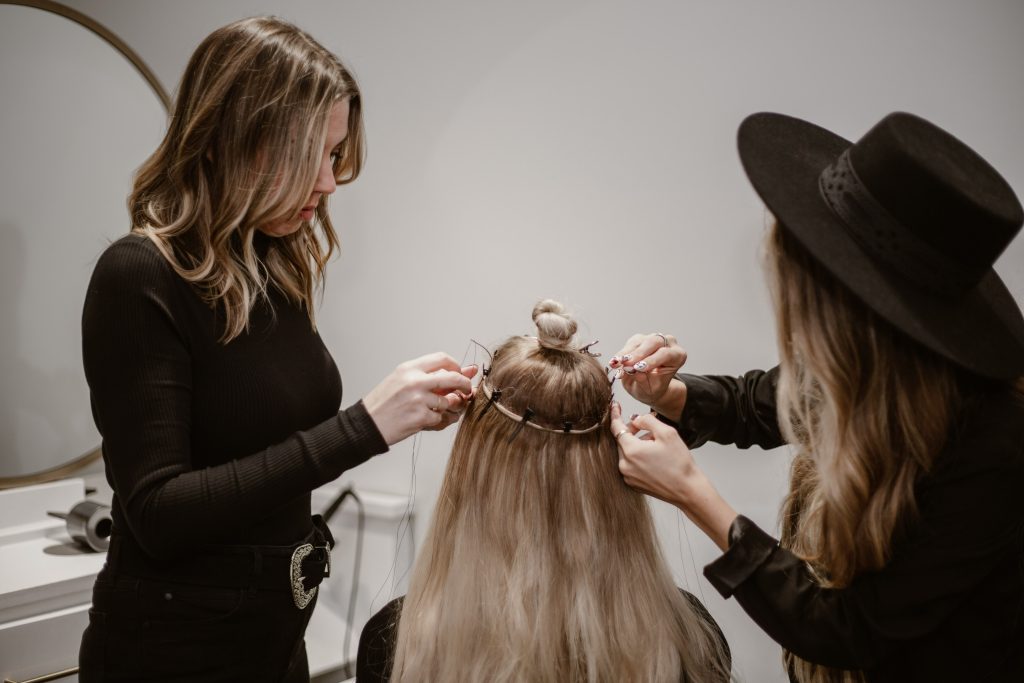
Halo hair extensions can change your look in seconds, but the result depends on how well the color matches your natural hair. A slight difference in shade can make extensions obvious instead of invisible. The key to a natural appearance lies in how you compare colors, check undertones, and test the match under different types of light.
This guide walks you through practical steps to find the right shade for your halo extensions. You will learn how to look beyond basic color categories and focus on the details that create a smooth blend. The right approach helps you avoid common mistakes that lead to returns or disappointment with your purchase.
Compare extensions to mid-length and ends of your natural hair in natural light
You need to match your halo hair extensions to the right part of your hair for the most natural look. Your roots are often darker than the rest of your hair. This means you should focus on the mid-length and ends instead.
Take your extensions outside or near a window where natural light hits directly. Indoor lighting can alter how colors appear, leading to a poor match. Hold the extension pieces next to the middle and bottom sections of your hair.
Natural light shows the true color of both your hair and the extensions. You can see subtle differences in tone that artificial light might hide. Move the extensions around to check them from different angles.
Move the extensions around to check them from different angles. What looks like a perfect match from the front might show a visible color gap when viewed from the side or back. If you’re shopping online, many retailers like https://thathair.co/ provide detailed color swatches and comparison photos that help narrow down your options before buying. Asking a friend to hold the extension piece against your hair while you check in a mirror also gives you a more accurate read on the blend.
Consider your hair’s undertones, not just the basic color
Your hair has undertones that affect how colors look on you. These hidden tones sit beneath the surface color you see. For example, brown hair might have warm red or gold undertones, or it might lean cool with ash or blue tones.
You need to match these undertones to find halo extensions that blend perfectly. If you choose extensions based only on the basic color level, they may look off because the undertones clash. A medium brown with warm gold undertones will look different next to a medium brown with cool ash undertones.
Check your hair in natural light to spot these subtle tones. Look closely at the mid-lengths and ends where undertones show up best. Cool undertones appear as blue, violet, or ash shades. Warm undertones show up as gold, red, or orange hints.
Pick extensions that share the same undertone family as your natural hair. This creates a seamless blend that looks natural. Your hairstylist can help identify your undertones if you have trouble spotting them yourself.
Avoid matching only at the roots for a more seamless blend
Your natural hair has many different tones and shades throughout. If you only match your halo extensions to your root color, they can look flat and fake. Real hair has depth with highlights, lowlights, and subtle color changes from root to tip.
Look at your mid-lengths and ends to see the full range of colors in your hair. Most people have lighter pieces near their face or at the ends. Your extensions need to reflect this same variety to look natural.
Try to match the overall color story of your hair instead of just one spot. For example, if you have brown roots but caramel ends, choose extensions that blend with both areas. This approach creates a better transition between your natural hair and the halo piece.
Hold the extensions up to different parts of your hair in natural light. Check how they look against your roots, middle sections, and tips. The goal is to find a shade that works well with your whole head, not just one area.
Check hair texture to ensure compatibility with extensions
Hair texture matters just as much as color for halo extensions. You need to match the pattern of your natural hair strands to get a smooth blend. Extensions come in straight, wavy, curly, and coily textures.
Look at your hair both wet and dry before you choose. Your natural texture can change between these two states. For example, your hair might appear straight when wet but dry wavy.
Mismatched textures create obvious lines where your extensions meet your real hair. This can cause a mushroom effect where the top layer looks different from the bottom. The extensions may also require different care routines than your natural hair.
Hold sample strands next to your own hair in natural light. Check if the wave pattern or curl size matches closely. If you have wavy hair, straight extensions will stick out. Similarly, straight hair won’t blend well with curly extensions.
Use multiple lighting conditions to verify color consistency
You need to check your hair extension color match in different types of light before you commit to a shade. Natural daylight reveals the truest color, so start by holding the extensions near a window during the day. However, you should also test them under your bathroom lights and bedroom lamps.
Indoor lighting can change how colors appear. Warm bulbs may make extensions look more golden or orange, while cool white lights can add blue tones. Your extensions might look perfect in one room but seem off in another space.
Take the extensions to at least three different spots in your home. Compare them to your natural hair in each location. You want a match that looks good everywhere, not just under one light source.
If possible, step outside and check the color in direct sunlight. This step helps you spot any undertones that indoor lights might hide. Your hair extensions should blend well in all these conditions for a natural result.
Conclusion
A perfect shade match makes halo extensions blend naturally with your real hair. You need to compare your natural undertones, mid-length color, and how light reflects off your strands rather than just match your roots.
The right color adds fullness and length without anyone noticing where your extensions start. Take your time to observe your hair in different types of light and consider professional help if you have complex color patterns.
Small details like tone and undertone often make the difference between a natural match and a visible contrast. With the right shade, your extensions and natural hair move as one.