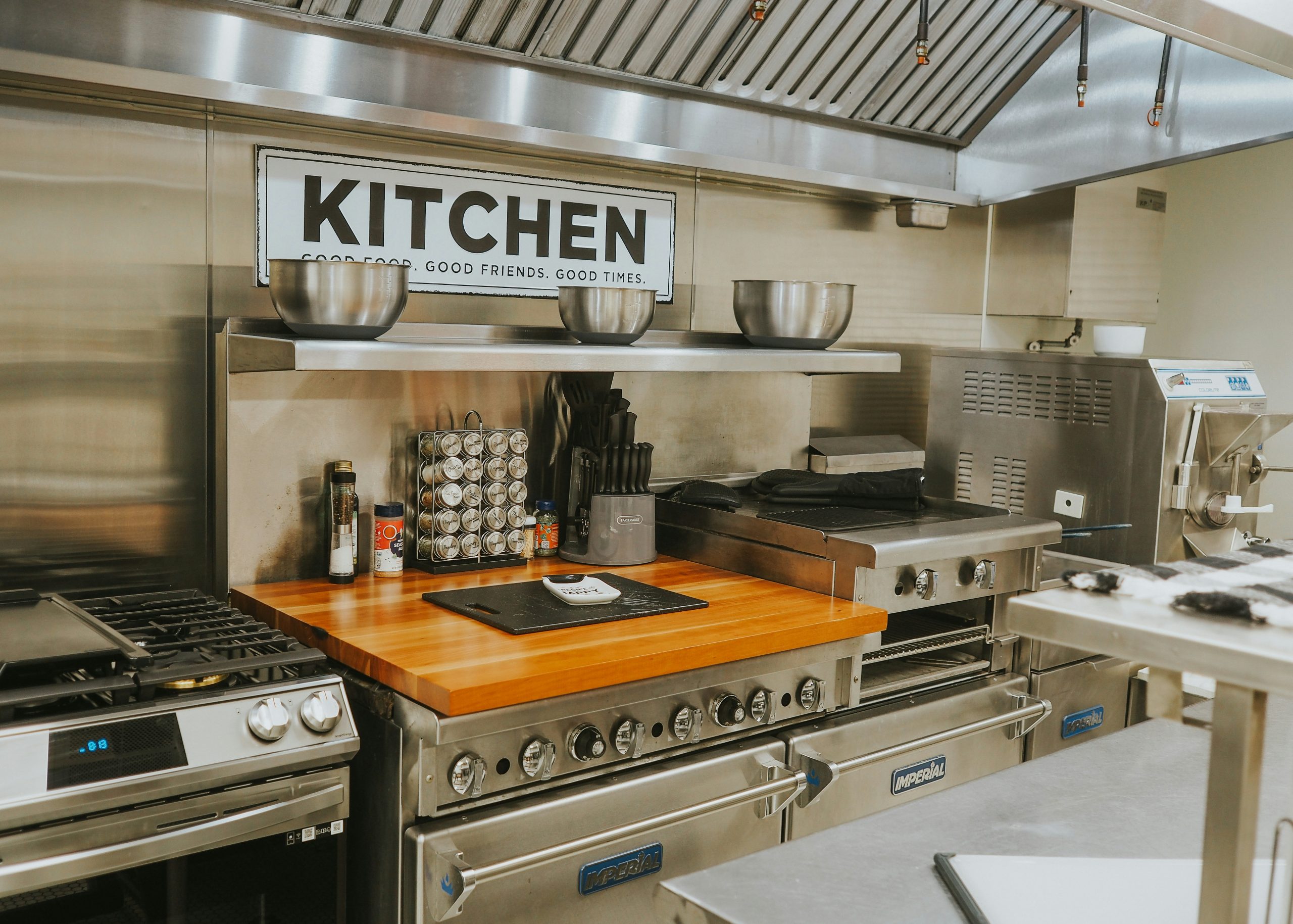
Maintaining a professional kitchen requires balancing intense operational demands with strict safety regulations. For decades, ceramic tiles were the default choice, but their porous grout lines frequently became a breeding ground for bacteria and mould.
Modern food preparation areas now favour surfaces that offer superior long-term performance and more effective cleaning regimes. When you consider the cost of deep cleaning, the limitations of traditional tiling are clear. Read ahead to see why high-performance materials are changing the industry standard.
The Problem With Traditional Grout Lines
In a busy UK kitchen, the walls are constantly exposed to steam, grease, and high temperatures. Tiles themselves are generally non-porous, but the gaps between them are the weak link. Grout is a cement-based product that naturally absorbs liquids. Over time, grease penetrates these lines, causing discolouration that is nearly impossible to remove without aggressive chemicals. This degradation doesn’t just look unprofessional; it creates a structural vulnerability where moisture can seep behind the wall.
Cracked or chipped tiles are another common issue in high-traffic zones where heavy pots or trolleys might strike the walls. Once a tile breaks, it creates a sharp edge and a pocket where debris can collect. Replacing a single tile is rarely a quick fix, often requiring a professional to match the original style and re-apply adhesive and grout. This leads to downtime and unnecessary maintenance costs that add up over the years.
Why Seamless Surfaces Are the Better Choice
Switching to a large-format sheet material eliminates the vast majority of joints found in a tiled wall. These panels create a smooth, continuous surface that doesn’t allow grime to hide in corners or crevices. Because the material is typically fixed with a strong adhesive directly to the substrate, there’s no space for moisture to become trapped. This design choice significantly improves the overall air quality and cleanliness of the food prep zone.
When it comes to meeting strict health standards, many businesses now opt for hygiene cladding because it’s specifically engineered for these high-pressure environments. These PVC sheets are easy to wipe down and can withstand the frequent use of degreasers and sanitising sprays. They provide a sleek, professional finish that remains bright and clean even after years of heavy use, helping businesses maintain a high rating with local authorities.
Benefits of a Modern Installation
The installation process for modern cladding is often much faster than traditional tiling. While a tiler must painstakingly place each small square and wait for grout to dry, large sheets can cover significant areas in a fraction of the time. This means less disruption for your business and a quicker return to full operation. The materials are also surprisingly versatile, allowing for a custom fit around existing fixtures, pipes, and electrical outlets.
- Impact Resistance: These materials are designed to be tough and don’t shatter like ceramic when hit by equipment.
- Chemical Stability: They won’t erode or stain when exposed to the acidic or alkaline cleaners common in the catering industry.
- Thermal Performance: High-quality panels can handle the temperature fluctuations found near ovens and wash stations.
- Low Maintenance: They don’t require the periodic re-grouting or deep-scrubbing that tiles demand.
Making a Long-Term Investment
Choosing the right wall covering affects your daily cleaning routine, staff productivity, and long-term repair budget. By moving away from tiles, you’re choosing a solution that prioritises food safety and durability. Instead of fighting a losing battle against stained grout, you can enjoy a kitchen that’s easy to manage.
UK businesses increasingly recognise that modern plastics offer a superior alternative to traditional masonry. These products provide a reliable barrier that protects the building’s structure while providing a bright, clean workspace. Investing in quality wall protection sets a standard for excellence that reflects well on every part of your operation.
The Closing Perspective
Updating your kitchen walls doesn’t have to be a difficult task. Transitioning to a modern, seamless system provides immediate benefits in terms of hygiene and ease of use. It’s a practical upgrade that addresses the core challenges of a professional cooking environment. By selecting materials that are fit for purpose, you ensure that your facility remains compliant and efficient for many years to come.