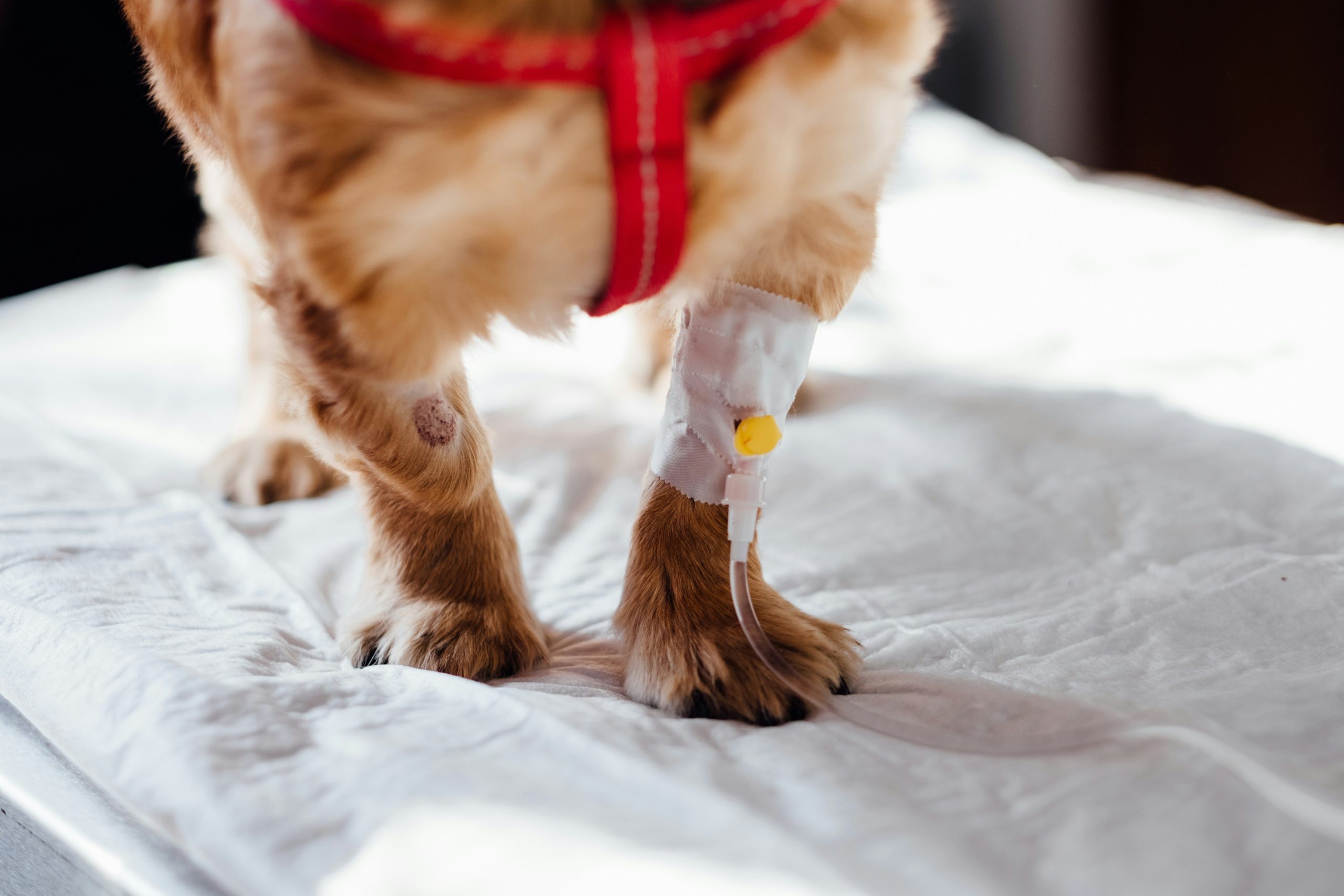
Your dog’s TPLO surgery is scheduled, the vet’s instructions are printed — and then it hits you: who’s actually going to handle all this while you’re supposed to be working? Recovery runs in weeks, not days, and the early stretch needs near-constant supervision. For most of us, calling in “out” for two solid months simply isn’t an option. The good news is that with a bit of planning, you can keep your job running and still give your dog the careful attention they need. Here’s how to juggle both without dropping either ball.
1. Front-Load Your Time Off
The early stages after surgery are usually the most demanding for both dogs and their owners. During the first couple of weeks, recovery often involves strict rest, short supervised bathroom breaks, medication schedules, and constant monitoring to prevent too much movement. That’s why it helps to understand the full timeline of dog recovery TPLO surgery before arranging time off work or adjusting your schedule at home.
Resources from MedCovet break recovery into phases, showing when the most hands-on care is typically needed and when restrictions gradually begin to ease. For many owners, planning PTO or remote work around those first intense days can make the process far more manageable without exhausting every available vacation day.
2. Talk to Your Boss Early
Don’t spring this on your manager the morning of the surgery. A heads-up a week or two ahead gives you actual room to negotiate something workable.
It helps that flexible work is far more normal than it used to be. Pew Research found that about 35% of workers whose jobs can be done remotely now work from home all the time, with another 41% on hybrid schedules. Frame the ask around results: propose a few work-from-home days, a shifted start time, or trading a hectic project week for a quieter one. Most managers would rather plan around a brief adjustment than manage a stressed, distracted employee.
3. Sync Care With Your Workday
Treat your dog’s needs like recurring calendar events — because for the next few weeks, that’s effectively what they are.
A little structure goes a long way:
- Block meds and potty breaks at natural pauses: start of day, lunch, and clock-out
- Set phone alarms so a looming deadline never makes you skip a dose
- Stack your heavier meetings for after the morning care rush is done
Mapping it out once beats scrambling every single morning, and it keeps both your work and your dog on a predictable, low-stress rhythm.
4. Set Up a Desk-Side Recovery Spot
If you’re going to be home at all, put your dog’s confined rest area within sight of your workspace — not tucked away in some far-off back room.
A pen or crate beside your desk lets you keep half an eye on them between emails, catch restlessness before it turns into a risky leap, and offer a reassuring word without standing up. Dogs tend to settle better near their person, and you’ll worry less — which, conveniently, means you’ll actually get some work finished.
5. Build a Backup Bench
You can’t be in two places at once, so line up help before you actually need it. One unavoidable day in the office shouldn’t derail your dog’s whole recovery.
Pull together a short roster:
- A partner or roommate who can cover midday duties
- A trusted neighbor or family member who’s on call for emergencies
- A professional pet sitter or vet-recommended option for full in-office days
Brief each person on the non-negotiables — leash-only potty trips, no stairs, no jumping — so the care stays identical no matter who’s on shift that day.
6. Let Tech Do the Watching
A few well-chosen gadgets can stretch your attention without stretching you thin.
Worth setting up:
- A pet camera so you can quietly glance in from a meeting
- Two-way audio to settle a whining dog from your desk
- A shared family calendar so everyone knows whose turn is next
None of it replaces hands-on care, of course, but it buys real peace of mind during the hours you simply can’t hover nearby.
7. Guard Your Own Energy
Caregiver burnout is a genuine thing, and a frazzled, exhausted human isn’t much use to a healing dog. Balance means protecting your own bandwidth, not just your dog’s leg.
Lower the bar on non-essentials for a few weeks — let the inbox-zero fantasy go, batch your errands into one trip, and make peace with “good enough” around the house. Ask for help out loud instead of silently drowning in it. The recovery is temporary, and pacing yourself is exactly what lets you show up steadily for the entire stretch.
The Conclusion
Balancing a job with TPLO recovery isn’t about pulling it all off flawlessly — it’s about planning far enough ahead that the hard days don’t blindside you. Map out the timeline, loop in both your employer and your helpers, and lean on a few smart tools to fill the gaps. Do that, and you’ll get your dog safely through recovery without putting your career on pause. A few weeks of thoughtful juggling now buys years of happy, healthy running down the road.