Travel can upset even the calmest cat, and stress often shows through loud meows, tense posture, or refusal to eat. However, pet owners can take clear steps to reduce anxiety before and during a trip, which leads to a smoother ride for both the cat and the owner. This article shows pet owners how to keep cats calm during travel by preparing the environment, the carrier, and the cat’s health plan in advance.
Cats feel safer with familiar scents, steady routines, and support from a veterinarian, so thoughtful preparation makes a clear difference. As this guide explains, simple actions before the trip help reduce fear in the car or on a plane and allow the cat to settle more easily in a new place.
- Use feline pheromone products
Feline pheromone sprays can help a cat feel safe in a new place because they copy the facial pheromones that cats leave on objects in their home. These scents signal that an area feels familiar, which can lower stress in a carrier or car. As a result, the cat may show fewer signs of fear, such as loud meows or restless movement.
Pet owners can spray the inside of the carrier, a blanket, or the car seat about 15 minutes before travel. The product should dry before the cat enters the space, since direct contact with wet spray may cause discomfort. In addition, they should follow label directions and avoid spraying the cat itself.
Some cats benefit from both a spray and pheromone-infused products like pheromone cat collars for stress relief because the collar releases scent close to the cat’s face throughout the trip. This steady release can support the effect of the spray inside the carrier. Therefore, the cat receives signals of safety from more than one source.
Pheromone products do not sedate a cat, and they do not replace proper carrier training or vet advice. However, many owners report that their cats appear more settled during car rides, vet visits, or short hotel stays. With careful use, pheromone sprays can form a simple part of a travel plan that keeps stress at a lower level.
- Acclimate your cat to its carrier by placing familiar bedding
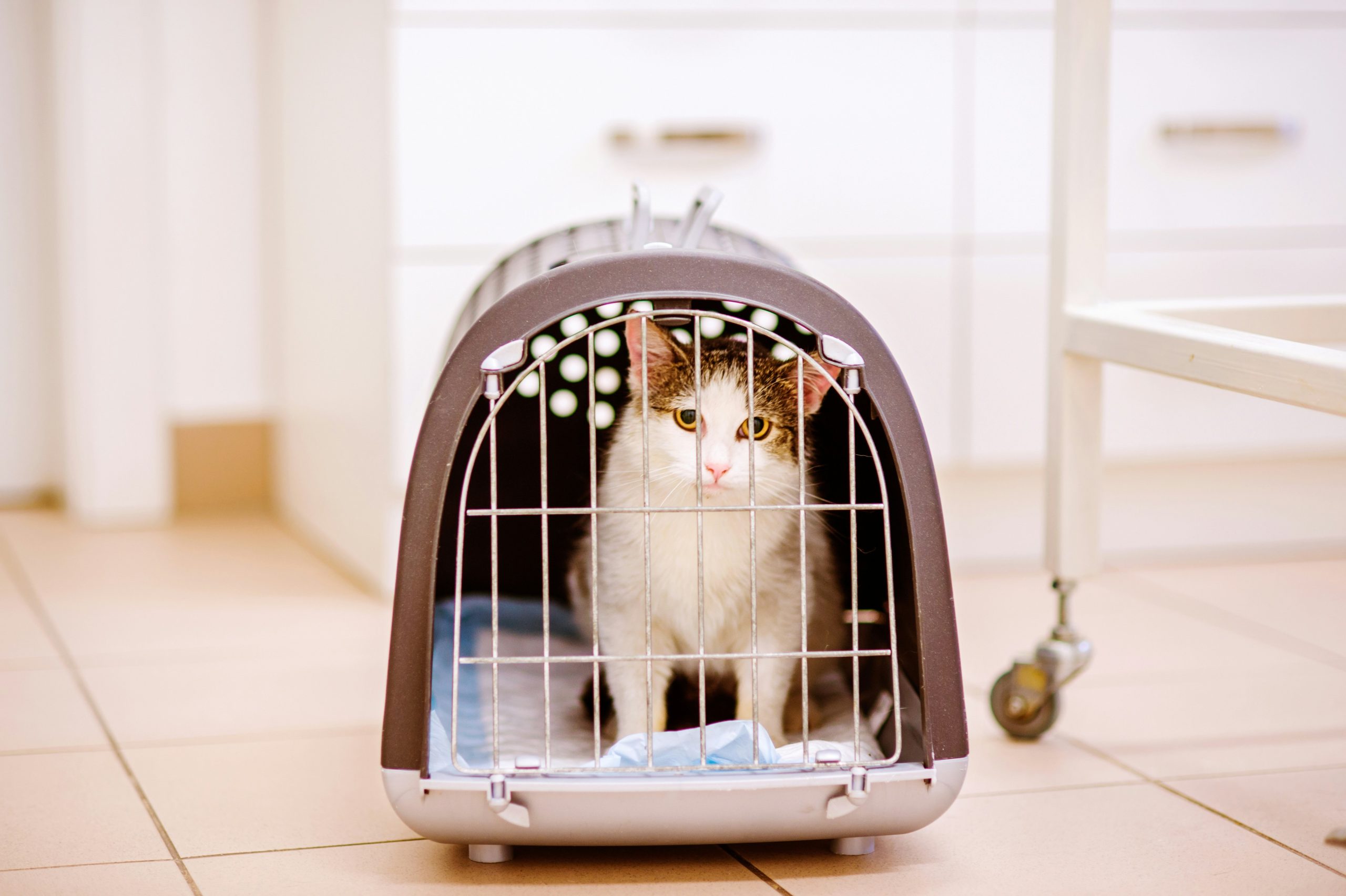
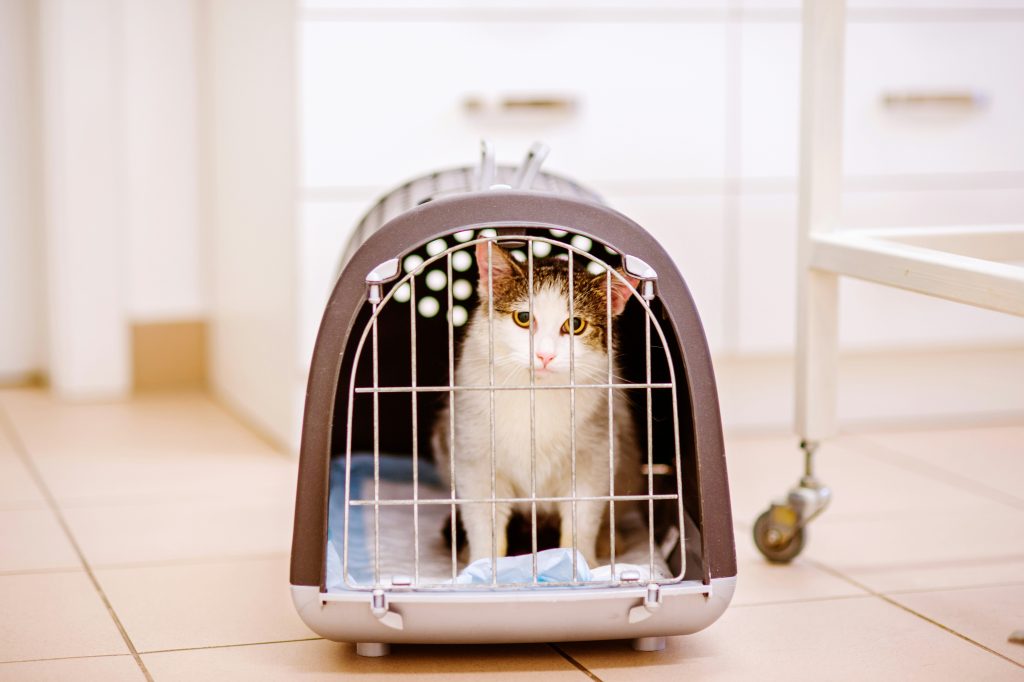
Cats often fear the carrier because they link it with car rides or vet visits. Therefore, the owner should change that pattern by turning the carrier into a normal part of the home. He or she can place it in a quiet room where the cat already feels safe, instead of storing it out of sight.
Next, add familiar bedding inside the carrier so it smells like home. A favorite blanket, towel, or small bed can help the cat relax because the scent feels safe and known. In addition, a few treats or a toy placed inside can encourage the cat to explore it on its own.
The owner should leave the door open at first so the cat can enter and exit freely. As the cat grows more comfortable, he or she can close the door for short periods, then open it again before the cat becomes upset. This step builds trust and shows the cat that the carrier does not always lead to travel.
After the cat accepts short stays indoors, the owner can practice brief trips around the house or yard. For example, he or she can carry the cat inside the closed carrier for a few minutes, then return and offer praise or a treat. As a result, the cat begins to link the carrier with calm experiences rather than stress.
- Schedule a vet check-up to discuss anxiety management
Before any trip, a pet owner should book a vet visit to talk about the cat’s stress levels and travel plans. The vet can review the cat’s health, past behavior, and any signs of fear, such as hiding, shaking, or loud meowing in the carrier. This step helps rule out medical issues that may add to anxiety.
The vet may suggest calming aids based on the cat’s needs and travel length. For example, some cats respond well to pheromone products, calming collars, or mild anxiety supplements. In certain cases, the vet may prescribe medication such as gabapentin to reduce stress during car rides or flights, and the owner should ask about the correct dose and timing.
In addition, the vet can explain how to give the product before travel so the cat feels calm before the trip begins. The owner should test any new aid at home first, since this allows them to watch for side effects and confirm that the cat tolerates it well.
This visit also gives the owner a chance to ask about carrier setup, feeding times, and travel tips that suit the cat’s age and health. With clear guidance and the right tools, the cat has a better chance to stay calm and safe on the road.
Conclusion
A calm trip depends on three core actions: carrier practice, comfort items, and steady routines. They prepare the cat before departure, maintain a quiet space during transit, and return home without sudden changes.
As a result, the cat feels secure and shows fewer stress signs such as loud meows, attempts to escape, or refusal to eat. Pet owners who follow these steps create predictability and protect their cat’s health on short trips or long moves.