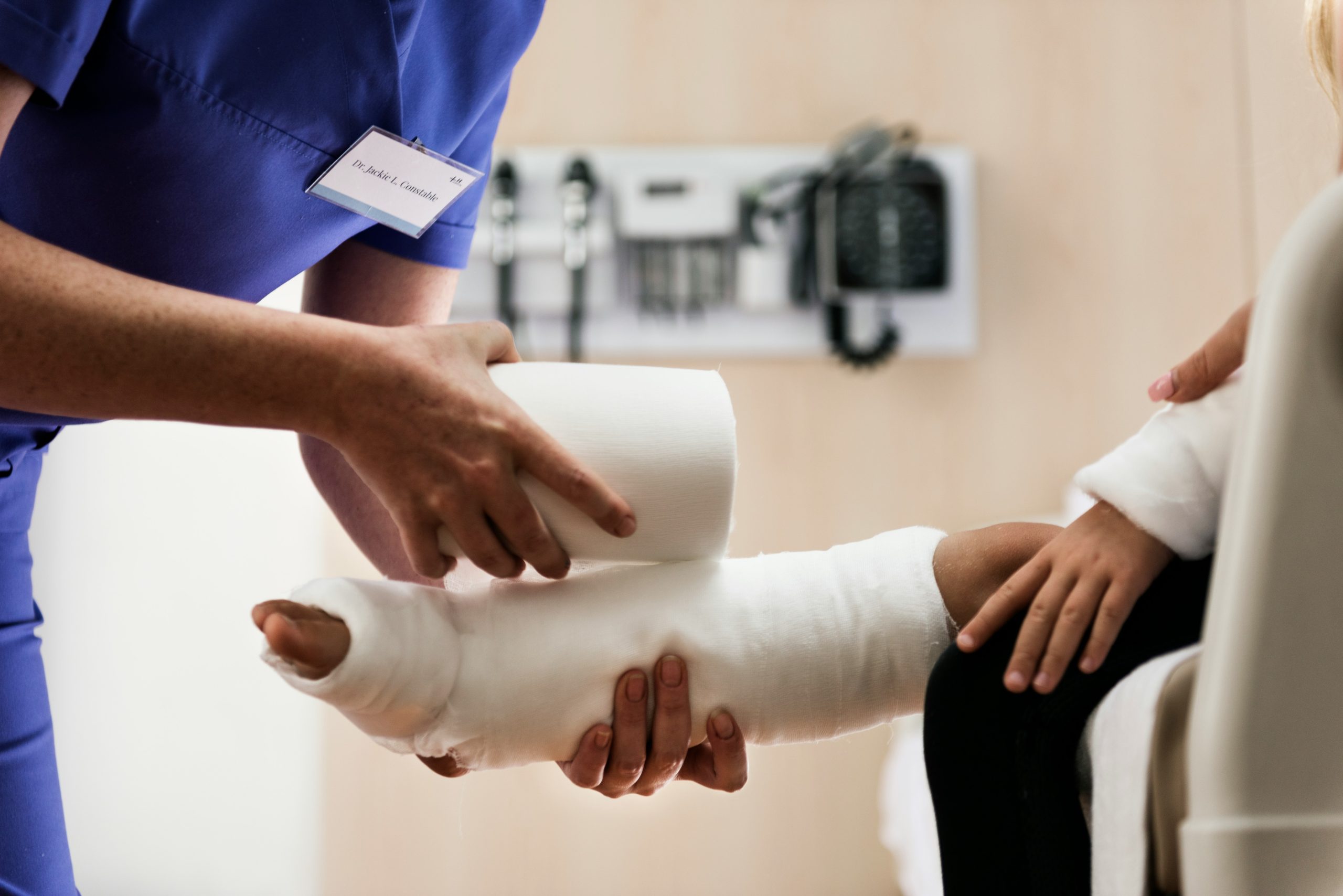
An accident has a way of reshaping everything almost instantly. The days that follow often bring a mix of physical discomfort, unfamiliar appointments, and an administrative backlog that nobody prepares you for. Add to that the emotional weight of processing what happened, and it is easy to see why so many people struggle to know where to begin. However, with the right approach, recovery, even if gradual, is entirely possible.
- Understanding the First Steps After an Accident
The immediate aftermath of an accident tends to involve a blur of assessments, forms, and follow-up appointments. It helps to tackle things one at a time instead of trying to address everything at once. On the practical side, it is worth documenting everything from the outset, like keeping records of medical visits, expenses, and any correspondence related to the incident. If the accident happened in a workplace setting, it is also worth exploring whether you are entitled to support with the financial impact. Speaking with specialists who handle construction accident claims or other workplace incidents can help clarify what options are available to you without adding unnecessary pressure at an already difficult time.
- Getting to Grips with Your Recovery Journey
Recovery rarely follows a straight line, and this is something worth keeping in mind from early on. Physical healing and emotional processing tend to happen on their own timescales, and progress is not always visible day to day. In recent years there have been growing calls for better access to neuro-rehabilitation services across the UK. Headway, the brain injury association, has highlighted that access to neurorehabilitation remains a postcode lottery, with only 40% of those assessed at major trauma centres as needing specialist rehabilitation actually receiving it. Knowing that these gaps exist can help you advocate more confidently for the level of care you or a loved one needs.
- Building a Routine That Works for You
Reintroducing structure after an accident does not have to mean returning to life exactly as it was. Small adjustments can make a significant difference, like reorganising your living space to reduce strain, building movement back in gradually, improving sleep habits, and preparing meals in advance to reduce daily decision fatigue. Journalling is another tool that many people find useful, offering a low-pressure way to process how they are feeling from one day to the next. Recovery can span months or even years. Treating it as a long-term process instead of a series of short-term targets tends to reduce the pressure considerably.
- Finding the Right Support Systems
One of the most important things you can do after an accident is allow others to help. Support can come in many forms, such as community services, follow-up care from your GP or consultant, mental health referrals, and the informal support of family and friends. According to NHS England, between 30 and 40% of people who undergo major traumatic injury report serious, long-term psychological disorders, underscoring why emotional support deserves the same attention as physical rehabilitation. There are also practical services available to help with the administrative side of recovery. From insurance queries and household repairs, to help accessing community assistance schemes. These sorts of things can be very beneficial, and they can free up energy for the things that matter most.
Recovery is rarely straightforward, but the right combination of professional support, practical adjustments, and honest self-compassion can make a meaningful difference.