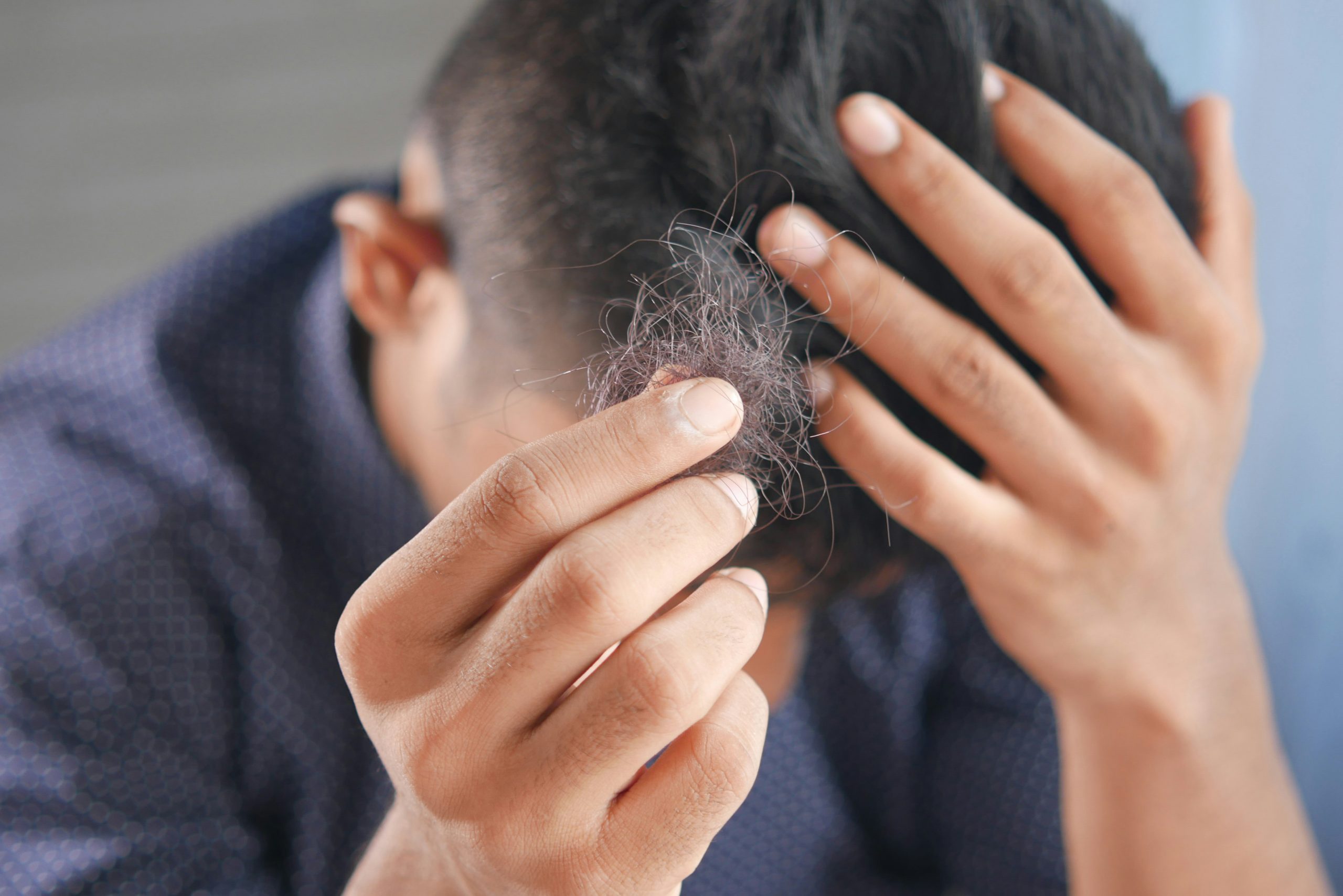
Hair loss affects millions of men, and many search for natural solutions to restore thickness and strength. Biota orientalis, also known as oriental arborvitae or Platycladus orientalis, has been used for centuries in traditional medicine to combat hair loss and promote growth. This evergreen tree’s leaves contain compounds that research suggests may help address the root causes of thinning hair.
Biota orientalis works by stimulating the cells around hair roots and encouraging follicles to shift from a resting phase to an active growth phase. Scientific studies show that extracts from this plant can increase the production of growth factors that feed hair follicles. These effects happen through specific biological pathways that activate cells responsible for healthy hair development.
The plant’s extract has gained attention in men’s hair care products because of its targeted action on follicle health. However, the science behind how it works remains less familiar to most people who struggle with hair loss. Understanding the mechanisms and benefits can help men make informed decisions about natural approaches to maintain their hair.
Mechanisms of Biota orientalis in Hair Root Activation
Biota orientalis activates hair roots through several biological pathways. The plant contains specific compounds that stimulate cell growth in hair follicles, improve blood flow to the scalp, and strengthen follicle structures.
Key Compounds Supporting Hair Growth
Research has identified multiple active compounds in Biota orientalis that contribute to hair growth. Fr2, a specific fraction isolated from the plant, demonstrates significant effects on hair development in laboratory studies. This compound works by stimulating dermal papilla cells, which serve as the control center for hair follicle function.
The extract also activates tyrosine kinase ACK1, an enzyme that triggers the production of keratinocyte growth factor (KGF). KGF plays a direct role in hair follicle cell multiplication and survival. Products like root activator shampoo from Spartan and other brands often incorporate plant extracts that work through similar pathways.
Additionally, Biota orientalis contains alpha-terpineol, a natural alcohol compound. Studies show that this compound accelerates the transition from resting phase to active growth phase in hair follicles. The combination of these compounds creates multiple points of action on hair roots.
Biota orientalis and Hair Follicle Health
Biota orientalis strengthens hair follicle structures at the cellular level. The extract promotes dermal papilla cell proliferation, which directly influences hair shaft thickness and growth rate. These cells sit at the base of each follicle and regulate the entire hair growth cycle.
The plant extract extends the anagen phase, which is the active growth period for hair. Longer anagen phases result in increased hair length and density. Research demonstrates that topical application stimulates terminal hair development rather than just fine vellus hair.
Biota orientalis also protects follicles from damage. The antibacterial properties help maintain a healthy follicle environment free from inflammation. This protection allows follicles to function at optimal capacity and prevents premature entry into the resting phase.
Impact on Scalp Microcirculation
Blood flow to hair follicles determines the delivery of nutrients and oxygen needed for growth. Biota orientalis improves microcirculation in the scalp tissue surrounding hair roots. Better circulation means follicles receive more resources to support active hair production.
The extract dilates small blood vessels near follicles. This dilation increases the volume of blood that reaches each hair root. Studies show measurable improvements in scalp blood flow after several weeks of application.
Improved microcirculation also helps remove waste products from follicle cells. This removal process keeps the cellular environment clean and supports healthy metabolic function. The combined effect creates better conditions for sustained hair growth and root activation.
Benefits of Biota orientalis for Men with Thinning Hair
Biota orientalis offers men with thinning hair several targeted benefits that address hair loss at the root level. The extract works to restart dormant hair follicles, builds stronger root structures through continued use, and combines well with other plant-based treatments to boost results.
Stimulating Hair Root Regeneration
Biota orientalis extract actively triggers hair follicles to enter their growth phase. Research on mice showed that the hot water extract from this plant pushed resting hair follicles back into active growth within a short period. For men, this means follicles that have stopped producing hair may start to work again.
The extract appears to increase production of specific growth factors in the scalp. These growth factors send signals to dormant hair roots and tell them to begin developing new hair shafts. Studies indicate that the extract helps keratinocytes, which are the cells that make up hair strands, to multiply faster in the presence of hair papilla cells.
In traditional East Asian medicine, practitioners have used this plant for centuries to treat baldness. Modern research now confirms what these traditional uses suggested. The extract contains active compounds that reach the dermal papilla cells at the base of each hair follicle. These cells control whether a follicle produces hair or stays dormant.
Strengthening Hair Roots Over Time
Regular application of Biota orientalis extract helps build more resilient hair follicle structures. The plant compounds support the development of better-formed follicles that can sustain hair growth for longer periods. This process takes time, as hair follicles need multiple growth cycles to show significant improvement.
The extract also addresses excess sebum production, which can weaken hair roots. One study found that ethanol extracts reduced the amount of oil that sebocytes produce. Too much sebum can clog follicles and prevent proper nutrient delivery to hair roots. By controlling oil levels, the extract creates a healthier environment for roots to anchor themselves.
Men who use the extract consistently may notice that new hair grows in thicker than before. This happens because the follicles themselves become stronger and can support larger hair shafts. The extract provides support at the cellular level, which results in visible changes over several months of use.
Synergy with Other Natural Ingredients
Biota orientalis works well alongside other plant extracts that target hair loss. Research has tested it in combination formulas that include multiple botanical ingredients. These combinations often produce better results than single-ingredient treatments.
The extract pairs particularly well with ingredients that improve scalp circulation or provide nutrients to hair follicles. For example, some formulations combine it with other traditional Asian herbs that have complementary effects. Each ingredient targets a different aspect of hair health, which creates a more complete approach to treating thinning hair.
Men can find Biota orientalis in various formats, from hot water extracts to ethanol-based preparations. The concentration and preparation method affect how well the extract works. Products that combine this extract with ingredients that help it penetrate the scalp may deliver better results than standalone formulas.
Conclusion
Biota orientalis offers promising benefits for men who experience hair loss. Research shows that extracts from this plant help activate hair roots and promote the growth phase of hair follicles. The plant contains active compounds that support keratinocyte growth and improve follicle development.
Studies demonstrate that both hot water and ethanol extracts from biota orientalis can increase the number and size of hair follicles in test subjects. Men can find this natural ingredient in various hair care products, though results may vary between individuals. Further research continues to explore the full potential of this traditional remedy for modern hair loss concerns.