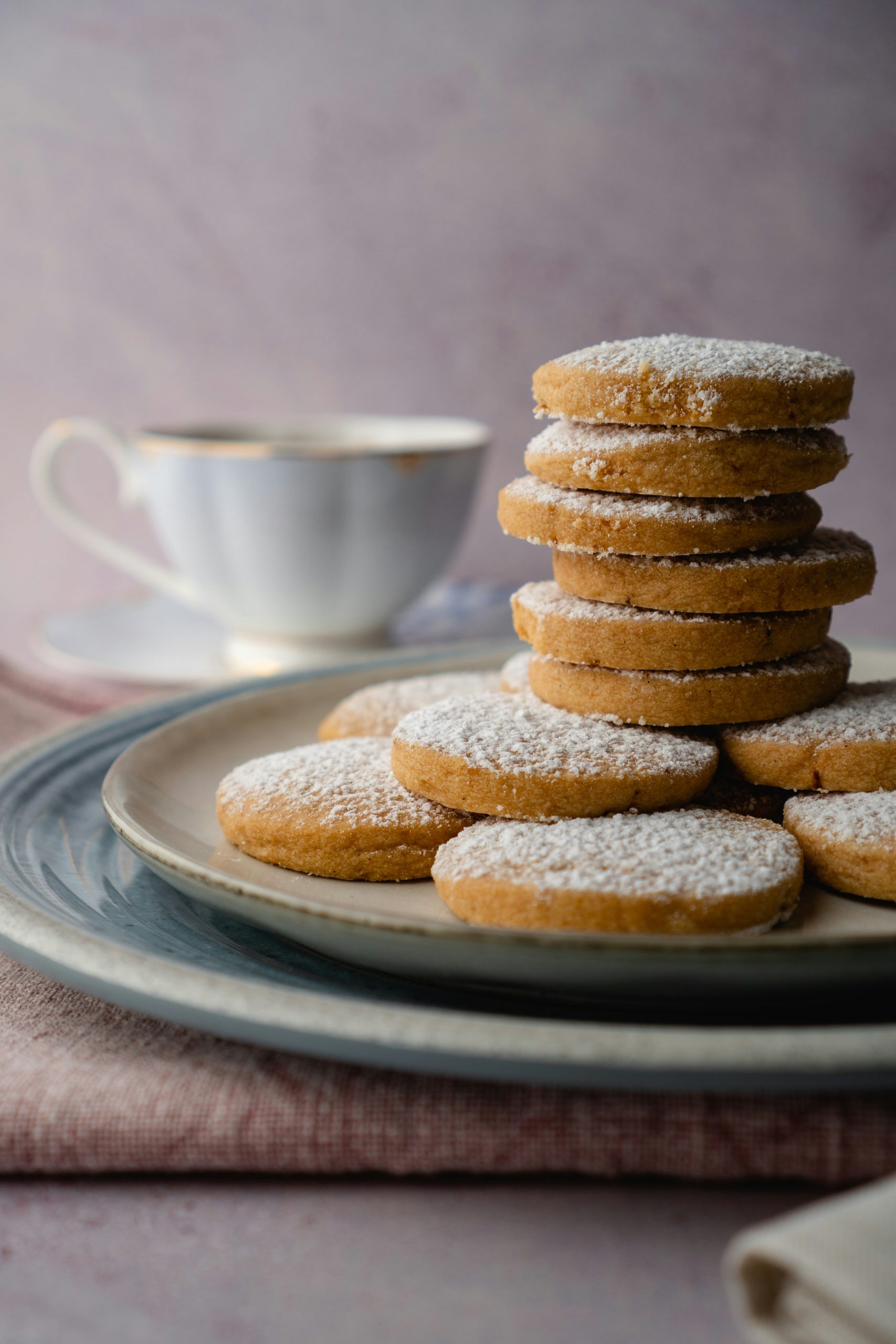
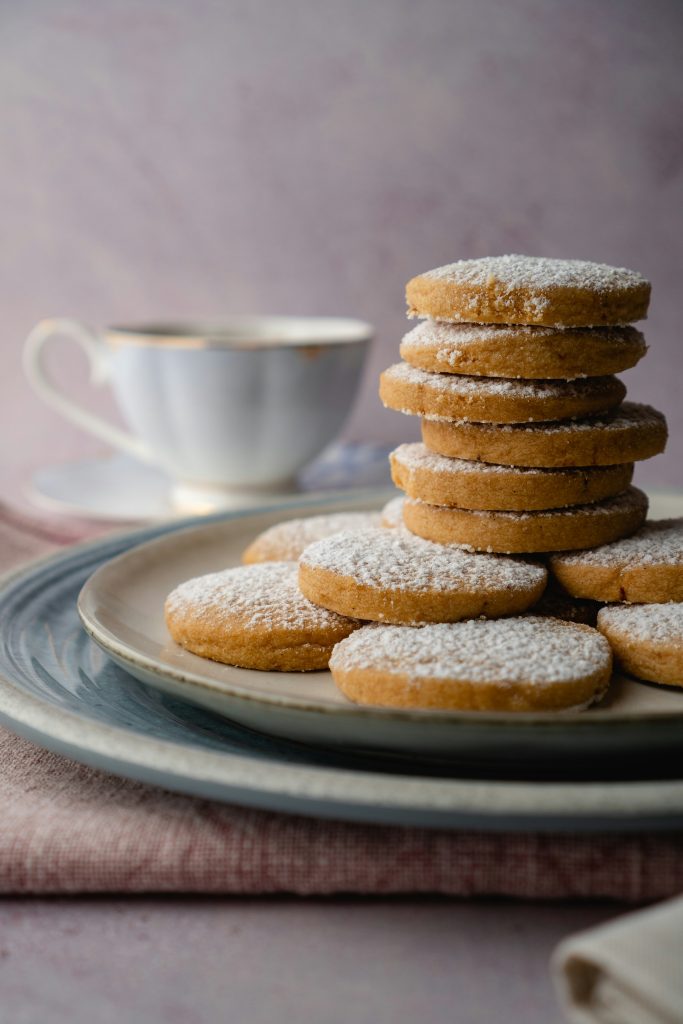
For a small country, Scotland is responsible for an impressive variety of iconic food and drink. From haggis to Scotch whisky, there are plenty of enduring delicacies that have helped to bring this tiny nation to the attention of the world.
But among the most popular Scottish treats is the humble shortbread biscuit. Its rich, crumbly texture is a result of simple ingredients combined in exactly the right way. They’vebecome a part of Scotland’s food heritage, and they’re as popular in 2026 as they ever have been.
From Historic Tradition to National Icon
So, where did shortbread come from? We can trace its origins back to the medieval period, during which leftover dough would be cast into the oven, where it could cook slowly in the residual heat. This is where the term ‘biscuit’ comes from – the Latin ‘bis coctus’ means ‘twice cooked’.
Over time, the recipe evolved, with the yeast in the bread giving way to butter. It’s this change that helped it establish itself as an icon. It’s said that Mary, Queen of Scots, became very fond of ‘Petticoat Tails’ — this being a form of shortbread cut into triangular wedges. The biscuit has become an integral part of the end-of-year Hogmanay celebrations, with an offering of shortbread being taken widely as an offering of hospitality.
The Beauty of Simplicity in Scottish Baking
The combination of three simple ingredients helps to give shortbread its characteristic, crumbly texture. Gluten is prevented from forming, because the flour particles are coated in butter, and prevented from binding to one another. Sugar, meanwhile, helps to tenderise the biscuit, as well as sweetening it.
Getting consistent results typically means keeping the temperature low. The flour inside the biscuit needs to be cooked, and the water content of the butter needs to evaporate – but the exterior needs to remain pale, too. That means keeping it low and slow!
The best modern manufacturers, of course, control the process of baking very precisely. This is what keeps shortbread biscuits consistent enough to command consumer confidence.
Family Traditions and Regional Variations
Of course Scotland has been an intensely fractured place over the centuries, largely thanks to the land itself keeping groups of people separate from one another. Many isolated communities have devised slightly different takes on the formula. The quality of the local butter makes a difference, too: the grass-fed cattle of the Highlands tended to create a richer butter, which in turn resulted in a denser biscuit. In the lowlands, the biscuit tended to be lighter.
Why Shortbread Still Appeals to Modern Audiences
Shortbread has proven an enduring hit, and it seems unlikely to go anywhere, soon. You can expect it to be served in just about any cafe in Scotland – and you can expect to find it on supermarket shelves throughout the UK, and beyond it. This biscuit remains popular because of its simplicity, its versatility, and the fact that is so reliably generates such strong feelings of nostalgia!